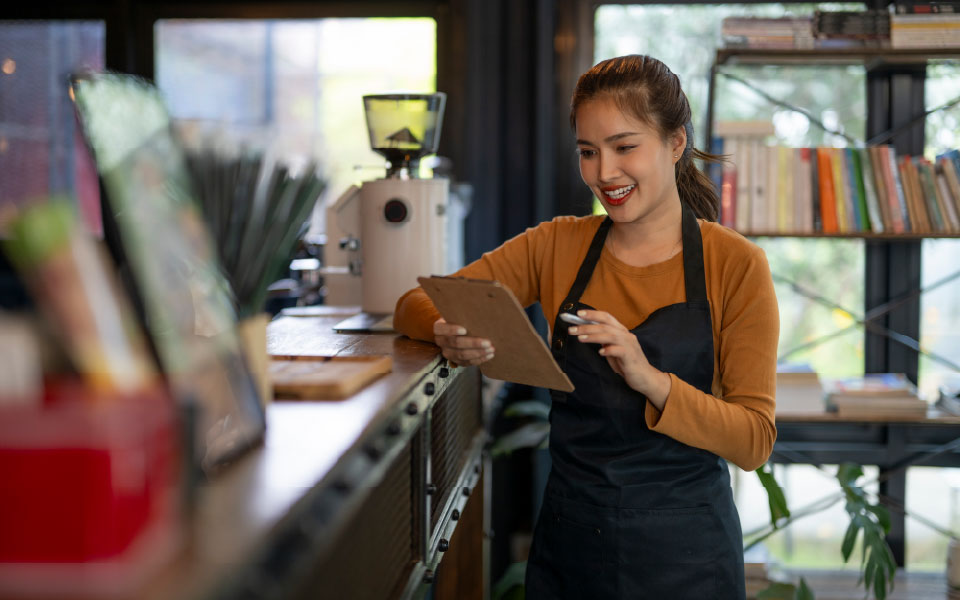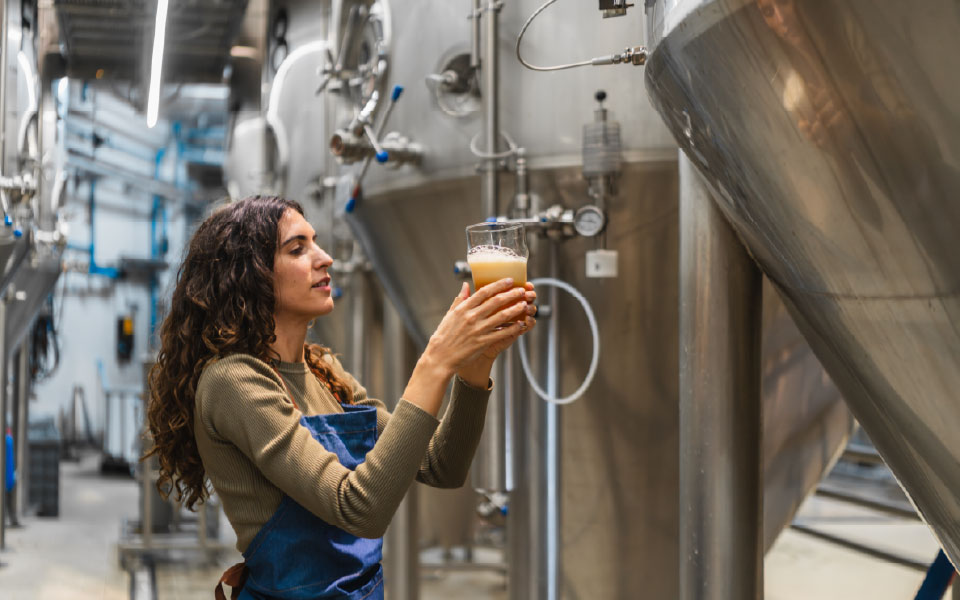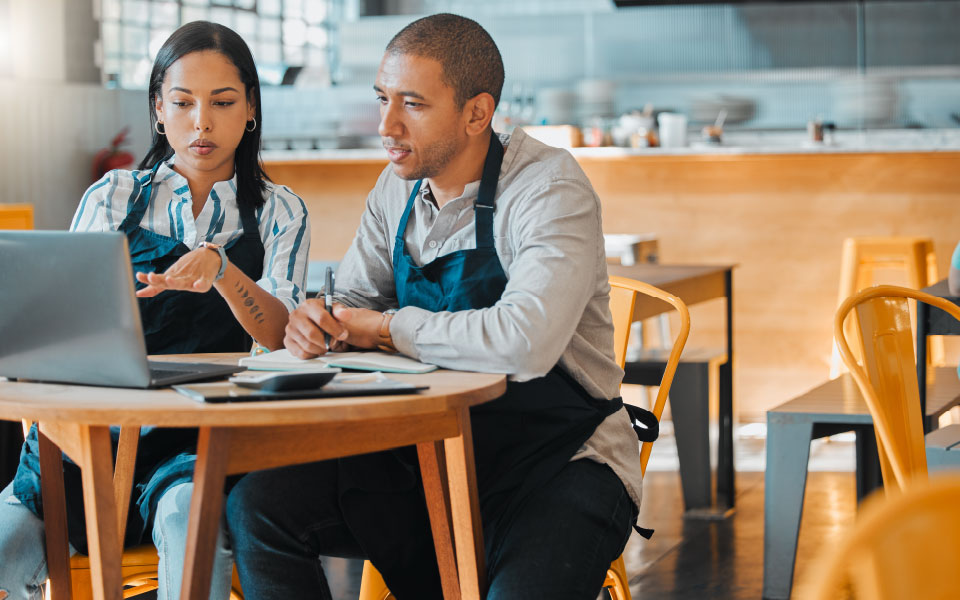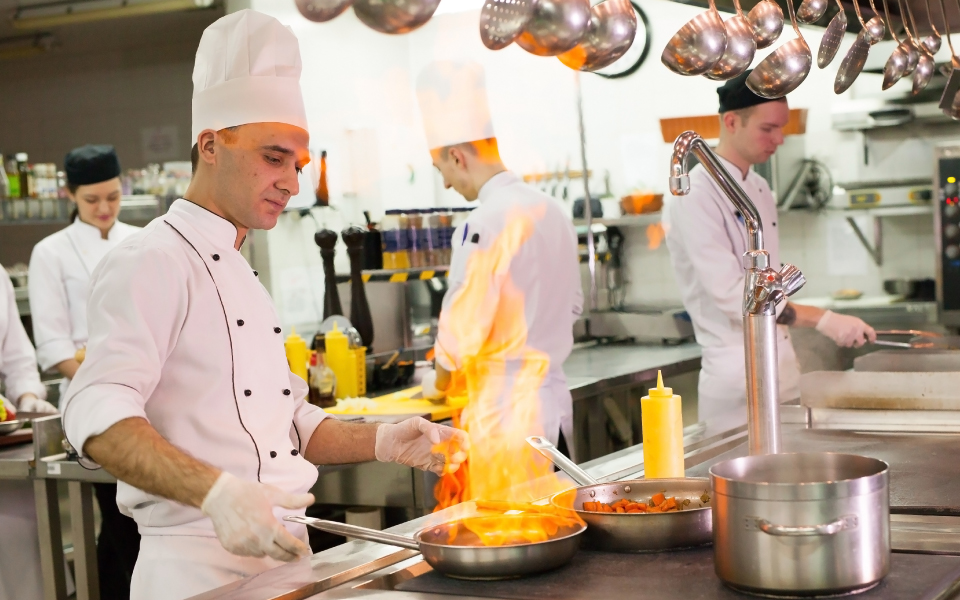










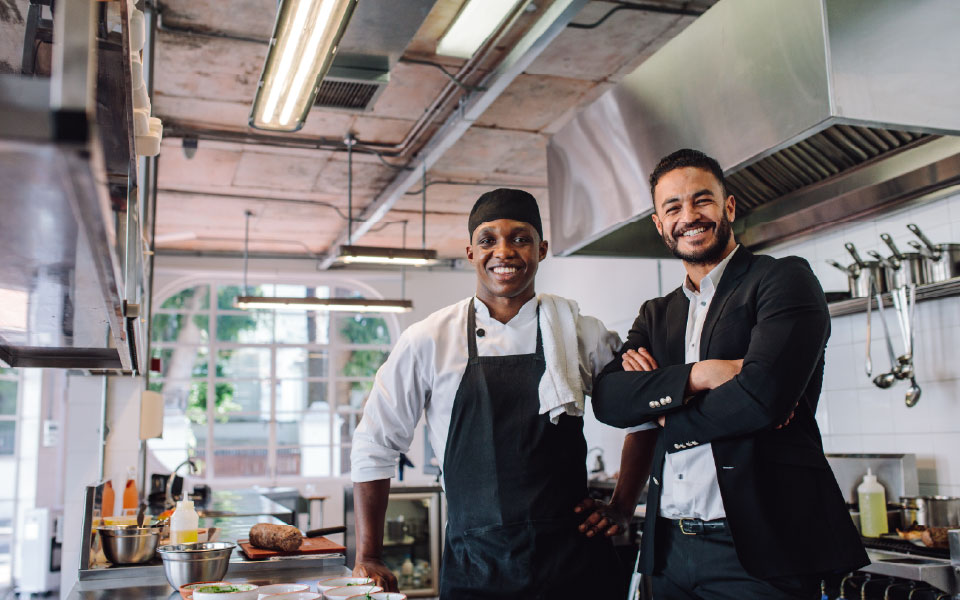
Running a restaurant is a balancing act. Managers oversee staff, coordinate schedules, track deliveries, maintain inventory, and ensure every guest has a great experience — all while keeping the restaurant safe, clean, and compliant. With so many moving parts, risks such as slips, spills, and unexpected incidents can quickly escalate into liability claims that disrupt operations and profitability.
Coverage and Compliance That Keep You Protected
Preventing liability claims begins with clear coverage and compliance steps, such as:
- Comprehensive coverage – Obtain general liability insurance along with additional coverage options for specific risks like liquor liability, property damage, and workers’ compensation.
- Regulatory compliance – Stay current with local health, food safety, and labor rules to reduce liability risks.
Train Well. Communicate Clearly. Reduce Risk.
A well-informed team is essential to prevent accidents and mistakes. Here’s how to put this into practice:
- Clear policies and procedures – Ensure all employees are well-informed and trained on clear policies covering service standards, food safety, and emergency procedures.
- Employee training – Train staff on safety, food handling, and customer service. Offer regular refresher courses to maintain standards.
- Customer and employee awareness – Use signage to alert staff and customers to potential wet floors or other hazards and reinforce staff reporting of unsafe conditions.
Routine Checks That Protect Your Restaurant
Preventing incidents requires attention to both daily operations and unexpected situations, such as:
- Routine inspections and maintenance – Regularly inspect the premises to identify and address potential hazards, such as slippery floors, poorly maintained equipment, and inadequate lighting.
- Incident reporting system – Document incidents or near-misses to identify patterns and prevent future accidents.
- Secure premises and crisis management – Maintain adequate lighting and security measures and develop a crisis management plan to address accidents or incidents involving customers or staff.
How to Prevent Slips, Trips, and Falls
These accidents are among the leading causes of general liability claims for restaurants, making it important to take proactive steps to prevent them:
- Maintain cleanliness – Quickly clean up spills and remove debris from floors. Place mats in high-traffic areas to absorb moisture and reduce slip risks.
Ensure adequate lighting – Keep all areas, including walkways and staircases, well-lit. Replace any burnt-out bulbs immediately to maintain visibility. - Clear walkways – Keep aisles and pathways free of obstacles such as boxes or equipment. Arrange furniture for easy movement and avoid creating tight spaces.
- Install non-slip flooring – Use non-slip surfaces, especially in kitchens and dining areas. Regularly inspect and maintain floors to address wear and tear.
- Encourage proper footwear – Require staff to wear slip-resistant shoes. Provide clear guidelines on appropriate footwear for different areas of the restaurant.
- Train your staff – Educate employees on safe practices, including how to handle spills and report hazards. Hold regular safety meetings to reinforce awareness.
- Keep first-aid kits accessible – Ensure staff are trained in basic first aid.
- Plan for the weather – Rain, snow, and ice can cause injuries, but placing mats at entrances and keeping outdoor areas clear and safe can help prevent accidents.
Get Guidance That Protects Your Restaurant
By following these steps, such as conducting regular safety checks and training staff, you can reduce liability risks and keep your restaurant running safely and efficiently.
Contact CBIZ to schedule a personalized risk management consultation and take proactive steps to protect your restaurant.
© Copyright CBIZ, Inc. All rights reserved. Use of the material contained herein without the express written consent of the firms is prohibited by law. This publication is distributed with the understanding that CBIZ is not rendering legal, accounting or other professional advice. The reader is advised to contact a tax professional prior to taking any action based upon this information. CBIZ assumes no liability whatsoever in connection with the use of this information and assumes no obligation to inform the reader of any changes in tax laws or other factors that could affect the information contained herein. Material contained in this publication is informational and promotional in nature and not intended to be specific financial, tax or consulting advice. Readers are advised to seek professional consultation regarding circumstances affecting their organization.
“CBIZ” is the brand name under which CBIZ CPAs P.C. and CBIZ, Inc. and its subsidiaries, including CBIZ Advisors, LLC, provide professional services. CBIZ CPAs P.C. and CBIZ, Inc. (and its subsidiaries) practice as an alternative practice structure in accordance with the AICPA Code of Professional Conduct and applicable law, regulations, and professional standards. CBIZ CPAs P.C. is a licensed independent CPA firm that provides attest services to its clients. CBIZ, Inc. and its subsidiary entities provide tax, advisory, and consulting services to their clients. CBIZ, Inc. and its subsidiary entities are not licensed CPA firms and, therefore, cannot provide attest services.