




Water intrusion can spread quickly through a multifamily property, damaging multiple units and creating conditions that support mold growth. Plumbing failures, roof leaks, HVAC issues, faulty windows, and poor drainage are among the potential sources.
A focused loss prevention program can help property owners identify these issues earlier and respond more consistently.
Preventing Losses Before They Occur
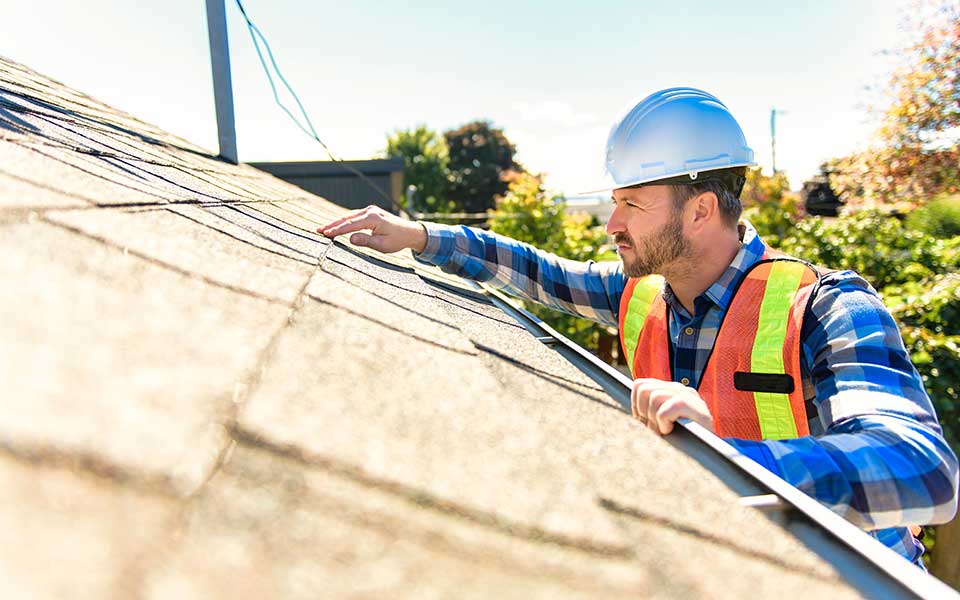
A property owner’s first line of defense in managing habitability risks involving water and mold is to prevent moisture problems before claims arise. A comprehensive preventive maintenance program should include routine inspections of roofs, gutters, drainage systems, plumbing, and HVAC systems, paying close attention to aging systems and areas historically prone to water intrusion.
New developments in smart home technology also offer options for property teams to monitor water intrusion before it becomes a larger issue. Water leak detection sensors can be placed near vulnerable areas and set to alert the appropriate person when water is detected. This gives the property team an opportunity to investigate the source, shut off water when appropriate, contact maintenance personnel, and begin mitigation efforts early on.
Property teams should also establish clear procedures for identifying and addressing early warning signs like water stains, mold growth, and condensation. Promptly investigating and resolving these issues can significantly reduce the likelihood of larger losses developing over time.
Responding Quickly and Confidently
Even the best prevention efforts can’t eliminate every water-related incident. When losses occur, speed matters. The first 24 to 48 hours following a water event are often critical. Rapid water removal, drying, and remediation efforts can help prevent additional damage and significantly reduce the likelihood of mold growth.
Property owners should establish a documented water damage response plan that outlines exactly how incidents will be reported, escalated, and managed. An effective response plan typically includes:
- Incident reporting procedures
- Vendor contact information
- Water extraction and drying protocols
- Tenant communication guidelines
- Internal escalation requirements
- Documentation expectations
Consistency is equally important. A well-executed process demonstrates that the property owner acted reasonably and responsibly when addressing the issue, which can become a significant factor if questions arise later during a claim or legal proceeding.
Strengthening Documentation
When habitability issues like water damage and mold arise, documentation can be one of the most important pieces of evidence. Detailed documentation can help establish timelines, demonstrate diligence, and show that appropriate action was taken once a problem was identified. This information may reduce disputes regarding the cause, timing, and severity of a loss while supporting a more efficient claims process.
For example, if a tenant alleges that management ignored repeated reports of a leak, maintenance logs, inspection reports, and communication records may provide critical evidence showing how and when the issue was addressed.
Property owners should maintain organized records of:
- Preventive maintenance
- Inspections
- Resident communications
- Maintenance history
- Vendor reports
- Water damage response efforts
Without clear and organized documentation, even organizations with strong procedures may struggle to demonstrate that they followed them.
Supporting Stronger Insurance Outcomes
From an insurance perspective, these best practices can influence much more than claim outcomes. Underwriters increasingly look for evidence that property owners actively manage water and mold risks. Organizations that can demonstrate preventive maintenance programs, documented response procedures, and consistent recordkeeping may be better positioned during renewal discussions than those with limited risk management practices or recurring losses.
Turning Habitability Risk into a Competitive Advantage
Habitability claims are often viewed as an unavoidable part of property ownership, but the reality is that much of this risk stems from preventable issues that can be addressed through proactive maintenance, rapid response, and disciplined documentation.
By strengthening moisture prevention efforts, preparing for water events before they occur, and maintaining thorough records, multifamily property owners can help reduce losses, improve their claims position, and demonstrate their commitment to risk management. In an increasingly challenging insurance market, these best practices can help protect both the property and the story owners bring to renewal discussions.
Connect with a CBIZ specialist to identify potential gaps and explore practical ways to strengthen your risk management strategy.
© Copyright CBIZ, Inc. All rights reserved. Use of the material contained herein without the express written consent of the firms is prohibited by law. This publication is distributed with the understanding that CBIZ is not rendering legal, accounting or other professional advice. The reader is advised to contact a tax professional prior to taking any action based upon this information. CBIZ assumes no liability whatsoever in connection with the use of this information and assumes no obligation to inform the reader of any changes in tax laws or other factors that could affect the information contained herein. Material contained in this publication is informational and promotional in nature and not intended to be specific financial, tax or consulting advice. Readers are advised to seek professional consultation regarding circumstances affecting their organization.
“CBIZ” is the brand name under which CBIZ CPAs P.C. and CBIZ, Inc. and its subsidiaries, including CBIZ Advisors, LLC, provide professional services. CBIZ CPAs P.C. and CBIZ, Inc. (and its subsidiaries) practice as an alternative practice structure in accordance with the AICPA Code of Professional Conduct and applicable law, regulations, and professional standards. CBIZ CPAs P.C. is a licensed independent CPA firm that provides attest services to its clients. CBIZ, Inc. and its subsidiary entities provide tax, advisory, and consulting services to their clients. CBIZ, Inc. and its subsidiary entities are not licensed CPA firms and, therefore, cannot provide attest services.