










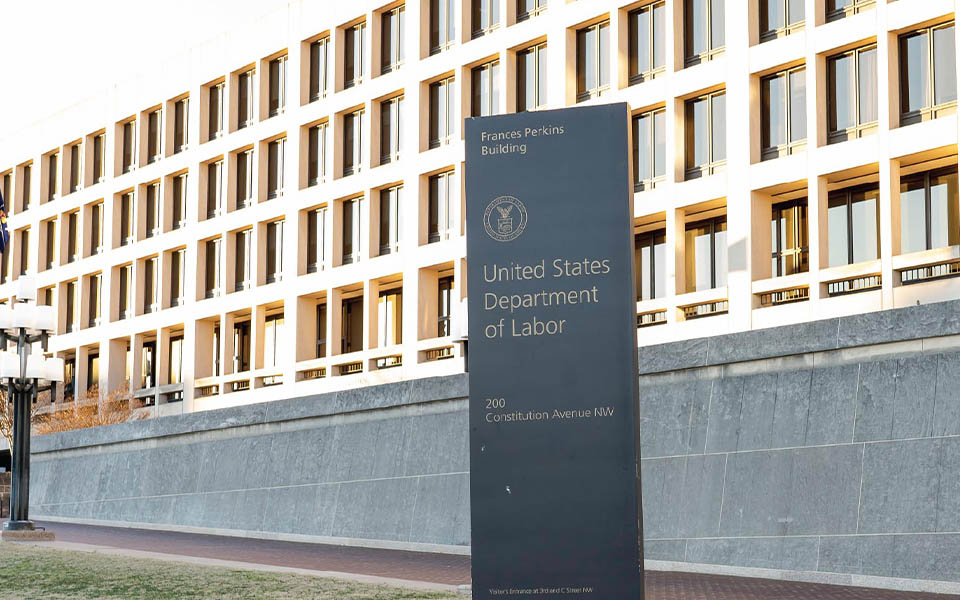
The U.S. Department of Labor (DOL) conducts its Employee Benefit Plan Audit Quality Study once every 10 years, as required by federal law. The most recent study released in November 2023 covered audits included in 2020.
The 2023 DOL Audit Quality Study found that 30% of employee benefit plan (EBP) audits contained major deficiencies, a meaningful improvement from the 39% deficiency rate reported in the prior 2015 study.
Correlation Between Number of Audits Performed and Audit Quality
A key finding of the study was the correlation between the number of EPB audits a CPA firm performs and the quality of their audit work. Firms conducting between one and five EBP audits exhibited higher deficiency rates compared to those performing a higher volume of audits. This trend underscores the importance of experience and specialization in ensuring audit quality. Firms that conduct a higher number of audits demonstrate a markedly higher adherence to auditing standards, suggesting that proficiency and frequent engagement in such audits are key to maintaining quality and accuracy.
The statistics highlight this difference in audit quality based on the number of audits a firm performs each year. Firms auditing only 1-2 plans per year had a high deficiency rate of 70%. This rate decreased to 51.7% for firms auditing 3-5 plans and slightly improved to 50.1% for those auditing 6-24 plans. However, firms auditing a larger volume of 100-749 plans have a lower deficiency rate of 18.6%, and it further reduces to 17% for firms auditing 750 or more plans.
The Changing Landscape of CPA Firms
There has been a notable shift in the landscape of CPA firms involved in these audits. In 2011, 81,162 plan audits were performed by 7,330 CPA firms. By 2020, the number of audits increased modestly to 86,863 but was conducted by only 4,300 firms, indicating a 40% decrease in the number of CPA firms involved. This trend suggests a move toward greater specialization and reflects the complexity and regulatory challenges in this audit field.
Continuous Oversight by the DOL
Although the formal, statistically sampled “Audit Quality Study” is decennial, the DOL does not wait 10 years to review audit quality. Throughout the year, the DOL actively engages in various initiatives, including targeted inspections and enforcement actions, to identify and address deficient audits.
Since 2021, EBSA has aggressively emphasized cybersecurity, issuing best practices documents:
- Cybersecurity Program Best Practices
- Tips for Hiring a Service Provider
- Online Security Tips for Participants
These are not formal regulations, but they signal enforcement priorities and shape fiduciary expectations. This is now a core audit risk area.
Enhancing Audit Quality
Organizations can take proactive steps to enhance the quality of their EBP audits before the auditing process even begins. A critical measure is ensuring that plan administrators file Form 5500 on time, even if some information is yet to be completed. This approach is vital to avoid penalties, particularly considering the DOL’s stringent stance on late filings. The introduction of new methodologies in the 2023 Form 5500 for counting participants and reporting administrative expenses further emphasizes the importance of accuracy and compliance. These changes require meticulous preparation and reporting to meet the evolving standards set forth by regulatory bodies.
It is also important to note that the careful selection of an auditor is a key factor in the overall quality of an EBP audit. The recent report highlights a significant trend: auditors who manage a larger volume of EBP plans annually tend to have lower rates of deficiencies, indicating that experience and breadth of practice are crucial. Additionally, audits conducted by CPAs affiliated with the AICPA’s Employee Benefit Plan Audit Quality Center consistently show fewer deficiencies. This correlation suggests that choosing an experienced auditor, especially those associated with recognized professional groups like the AICPA, can mitigate the risk of audit deficiencies, thereby enhancing the reliability and integrity of the audit process.
For More Information
If you are concerned about the quality of your EBP audit, please connect with our professionals today. Our team of auditors, equipped with thorough expertise and comprehensive knowledge, will ensure your audit adheres to all necessary standards, effectively simplifying EBP audit complexities and ensuring smooth compliance with IRS and DOL regulations.
Frequently Asked Questions
The 2023 study found that 30% of employee benefit plan audits had major deficiencies, improving from 39% in the prior study.
Firms that perform more EBP audits generally have lower deficiency rates, showing that specialization and repetition improve audit quality.
Plan sponsors should prioritize timely Form 5500 filing, focus on cybersecurity risks, and carefully select experienced auditors.
Working with auditors who handle a high volume of EBP audits and follow recognized professional standards can help improve audit quality and compliance.
© Copyright CBIZ, Inc. All rights reserved. Use of the material contained herein without the express written consent of the firms is prohibited by law. This publication is distributed with the understanding that CBIZ is not rendering legal, accounting or other professional advice. The reader is advised to contact a tax professional prior to taking any action based upon this information. CBIZ assumes no liability whatsoever in connection with the use of this information and assumes no obligation to inform the reader of any changes in tax laws or other factors that could affect the information contained herein. Material contained in this publication is informational and promotional in nature and not intended to be specific financial, tax or consulting advice. Readers are advised to seek professional consultation regarding circumstances affecting their organization.
“CBIZ” is the brand name under which CBIZ CPAs P.C. and CBIZ, Inc. and its subsidiaries, including CBIZ Advisors, LLC, provide professional services. CBIZ CPAs P.C. and CBIZ, Inc. (and its subsidiaries) practice as an alternative practice structure in accordance with the AICPA Code of Professional Conduct and applicable law, regulations, and professional standards. CBIZ CPAs P.C. is a licensed independent CPA firm that provides attest services to its clients. CBIZ, Inc. and its subsidiary entities provide tax, advisory, and consulting services to their clients. CBIZ, Inc. and its subsidiary entities are not licensed CPA firms and, therefore, cannot provide attest services.